Our shared vision
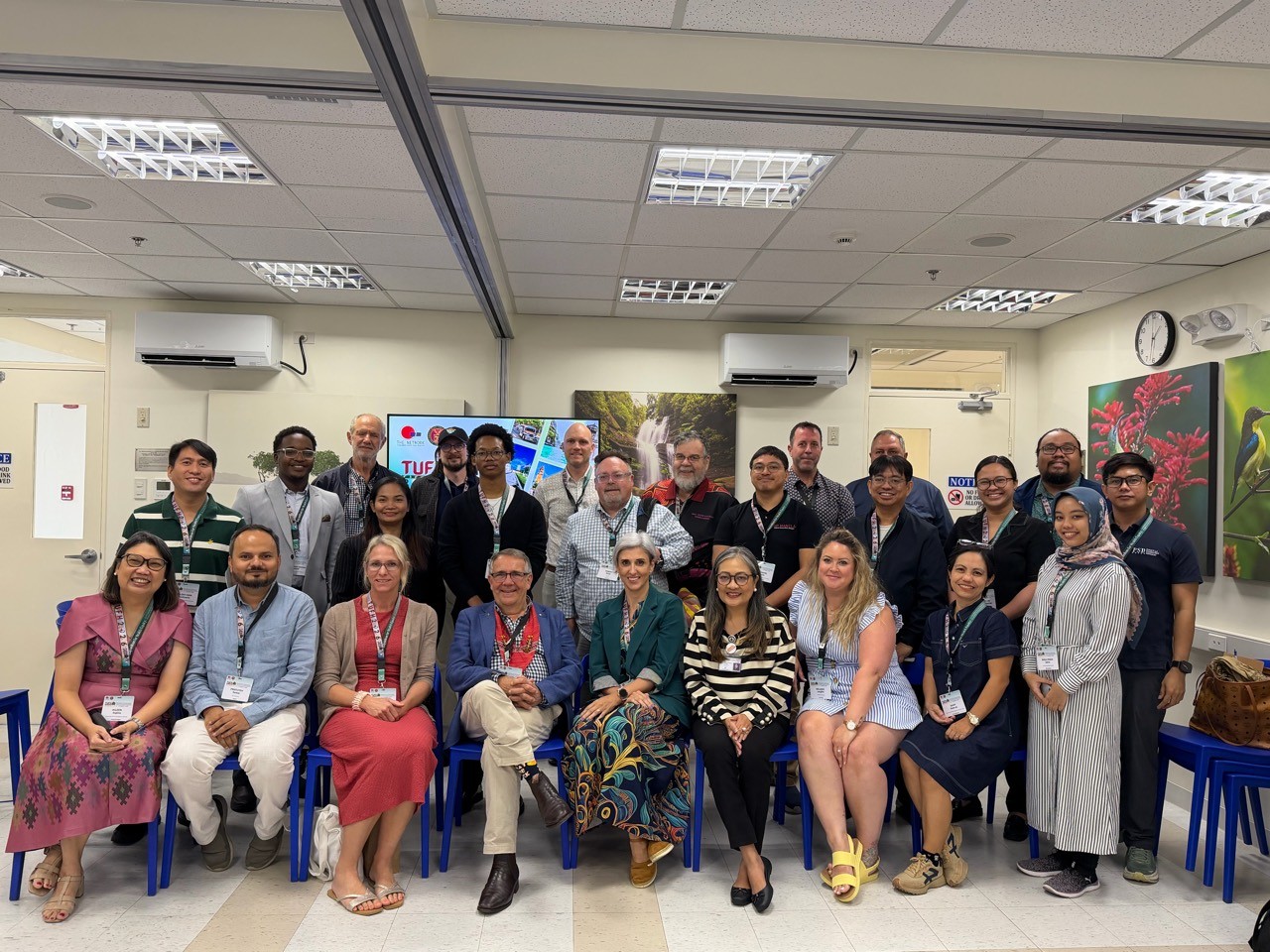
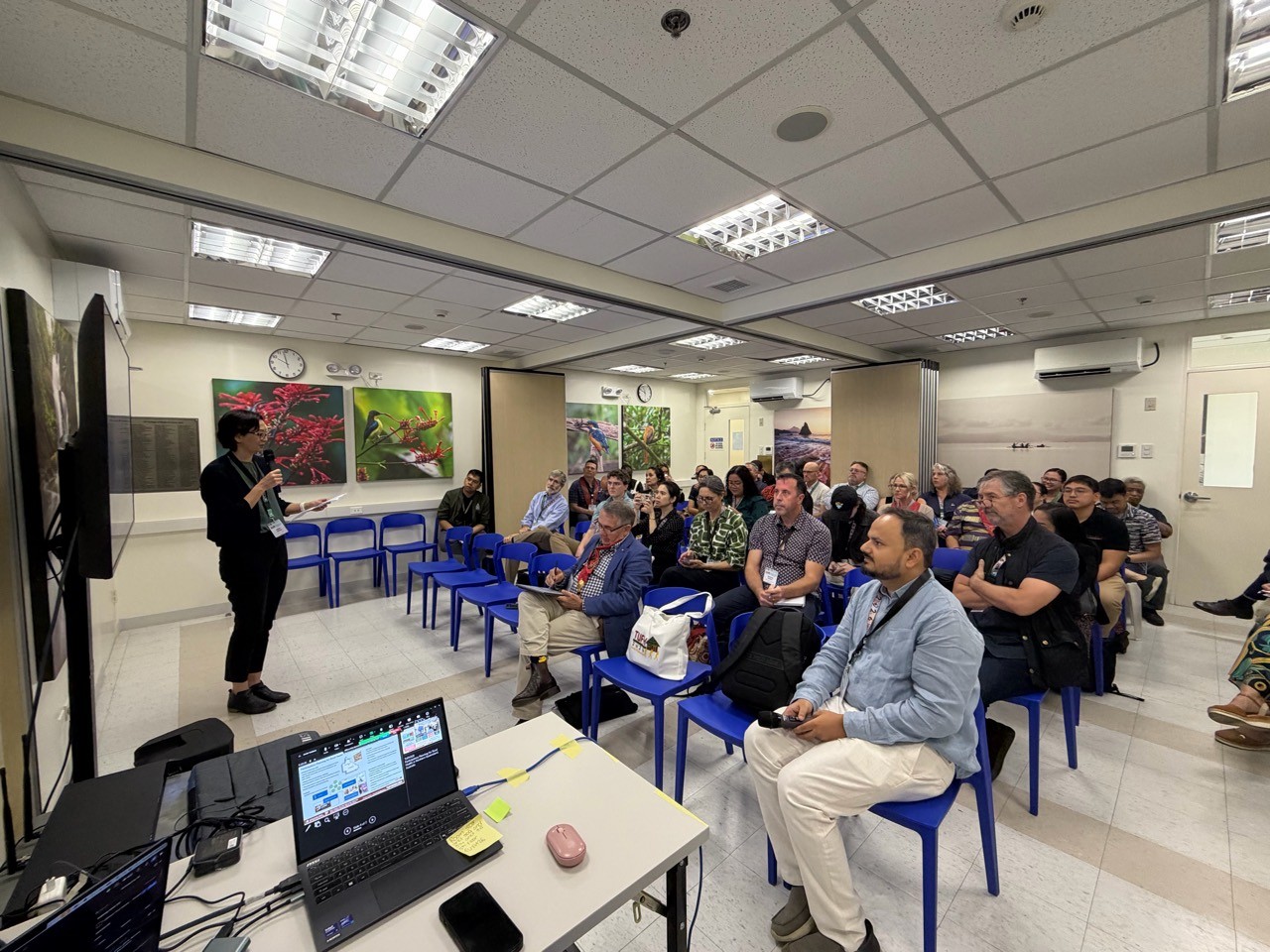
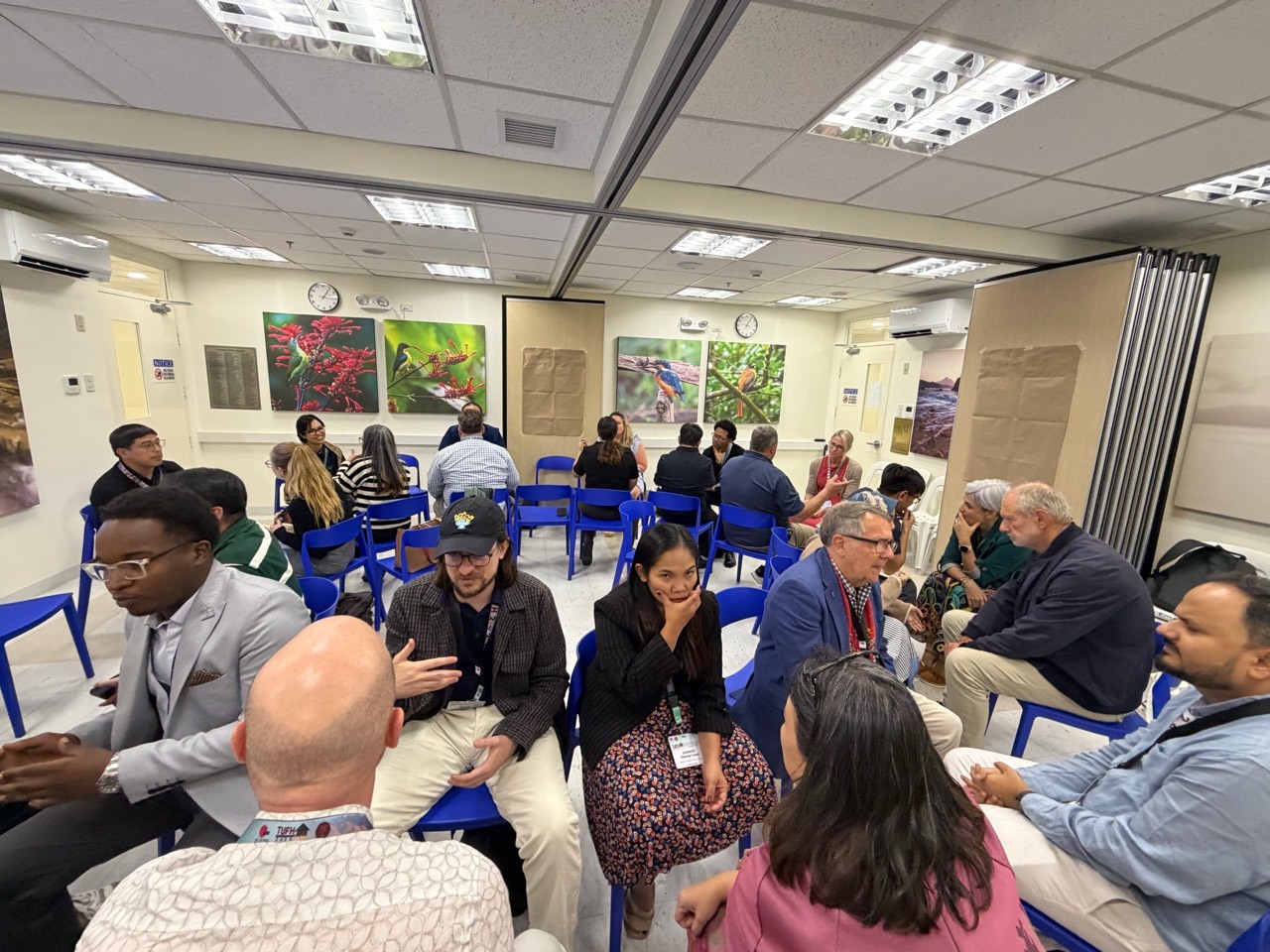
We gather in Manila, Philippines—an archipelago whose isolated and disadvantaged areas mirror the profound challenges and extraordinary resilience of rural health systems worldwide. We represent rural health practitioners, educators, indigenous leaders, and policymakers from across the globe.
For too long, the unique needs of rural, remote, and Indigenous communities have been met with a one-size-fits-all approach. Modern healthcare has mistakenly equated “sameness” with equality, leaving these populations to bear a disproportionate burden of preventable illness and mortality. We see how urban-centric health professions education pulls talent away from the communities that need them most, leaving trainees ill-prepared for the realities of low-resource environments.
We affirm that growing and retaining a health workforce in rural areas is fundamentally a human issue, deeply intertwined with how and where we educate, train, and support our workforce. We know that true crisis preparedness relies more on local people who know their communities. Health workers are the first, and often the only, line of defence.
Therefore, we declare our unwavering commitment to five essential areas of action to finally achieve global rural health equity.
01
Invest in Training Where It Matters
Effective healthcare is context-dependent, and education must engage and occur within the community. We must move away from the urban-centric bias that starves rural communities of vital health workforce. We call on governments and health authorities to adopt policies and allocate an equitable proportion of health education resources directly to rural, community-based training and primary health care. By championing practice-based and distributed training, we can transform health facilities into primary learning environments, allowing clinicians to train exactly where they are needed without abandoning their posts.
Furthermore, we must actively eradicate the high-stress, colonized “education by humiliation” culture and unreasonable work hours, replacing them with supportive environments that build clinical, emotional, and psychological resilience.
02
Honor Culturally Safe and Indigenous-Led Health Care
Sustainable rural health is impossible without actively decolonizing our health systems and empowering Indigenous and tribal health workers. We must grant Indigenous community health workers formal national registration and protected professional titles, giving them the regulatory security they deserve.
Recruitment must change, too: instead of top-down job postings, we must grow and nurture our workforce organically from within existing local networks—like women’s self-help groups and artisan circles—to build deep, lasting community trust. We strongly support paradigms like the Two Row Wampum model, which allows Western medicine and traditional Indigenous healing to operate side-by-side with mutual respect. Finally, rigorous cultural safety and anti-racism standards must become a legal mandate across all health professions education institutions and licensing bodies.
03
Master the “Rural Golden Hour” and Disaster Readiness
In disaster-prone, resource-limited environments, centralized emergency management often falls short. Preparedness must be local, practical, and heavily rehearsed. We urge rural health facilities, with support from national governing bodies and other disciplines, to prioritize routine, low-cost tabletop exercises to stress-test their communication and command structures. Knowing what to do locally saves far more lives than a theoretical plan sitting on a desk in the city.
Clinical training must focus on the “Rural Golden Hour”—teaching providers to recognize, stabilize, and treat emergencies using only the limited resources at hand, empowering them to act decisively when roads and power grids fail. During these crises, central authorities must trust local rural health leaders to make rapid, context-specific decisions without bureaucratic red tape.
04
Demand Rural Proofing and Systemic Accountability
Policy designed in the city is prone to failure in the country. We must challenge the negative narratives surrounding rural practice and hold health systems accountable for the environments they create. Moving forward, every national health policy, educational curriculum, and workforce plan must be explicitly “rural-proofed” and co-designed by the people actually living in these realities.
We must also recognize that severe burnout and family isolation drive practitioners away; workplace well-being, including the right to safe and dignified service, security from harassment, succession planning, and support for practitioners’ families must be fiercely protected. Ultimately, health ministries must be held accountable for rural health inequities, and funding for rural primary care must be shielded from political volatility.
05
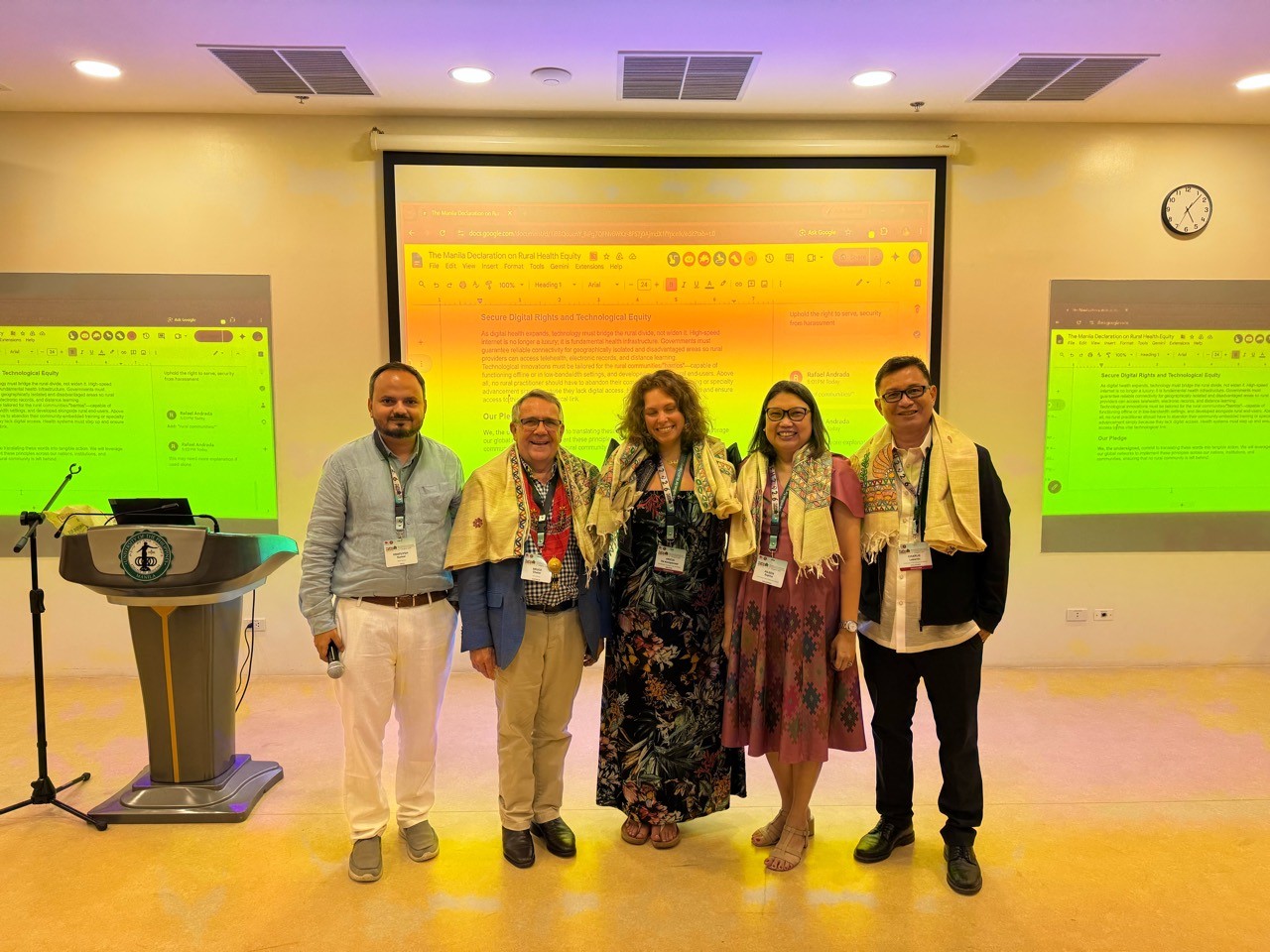
Secure Digital Rights and Technological Equity
As digital health expands, technology must bridge the rural divide, not widen it. High-speed internet is no longer a luxury; it is fundamental health infrastructure. Governments must guarantee reliable, affordable connectivity for geographically isolated and disadvantaged areas so rural providers can access telehealth, electronic records, and distance learning.
Technological innovations must be tailored for rural communities—capable of functioning offline or in low-bandwidth settings, and developed alongside rural end-users, with safeguards for privacy and data security. Above all, no rural practitioner should have to abandon their community-embedded training or specialty advancement simply because they lack digital access. Health systems must step up and ensure access to this vital technological link.
Our pledge
We, the participants, commit to translating these words into tangible action. We will leverage our global networks to implement these principles across our nations, institutions, and communities, ensuring that no rural community is left behind.